Indian Summer Crabapple
1 Pot 1-2 ft
Sale price
$209.99 USD
Regular price
$255.99 USD
Skip to product information

In stock
Indian Summer Crabapple
Sale price
$209.99 USD
Regular price
$255.99 USD
The Indian Summer Crabapple is a versatile ornamental tree that brings an array of stunning visuals to any landscape. With its deep pink spring blooms, striking yellow fall foliage, and long-lasting bright red fruit, it offers year-round beauty for home gardens, streetscapes, and wildlife-friendly areas. Its disease-resistant nature, rounded shape, and ability to withstand a wide range of climates make it a popular choice for gardeners looking to add vibrancy and ecological value to their outdoor space.
| Mature Height | 15-20 ft |
| Mature Spread | 15-20 ft |
| Sunlight | Full (6+ hours) |
| Growth Rate | Moderate |
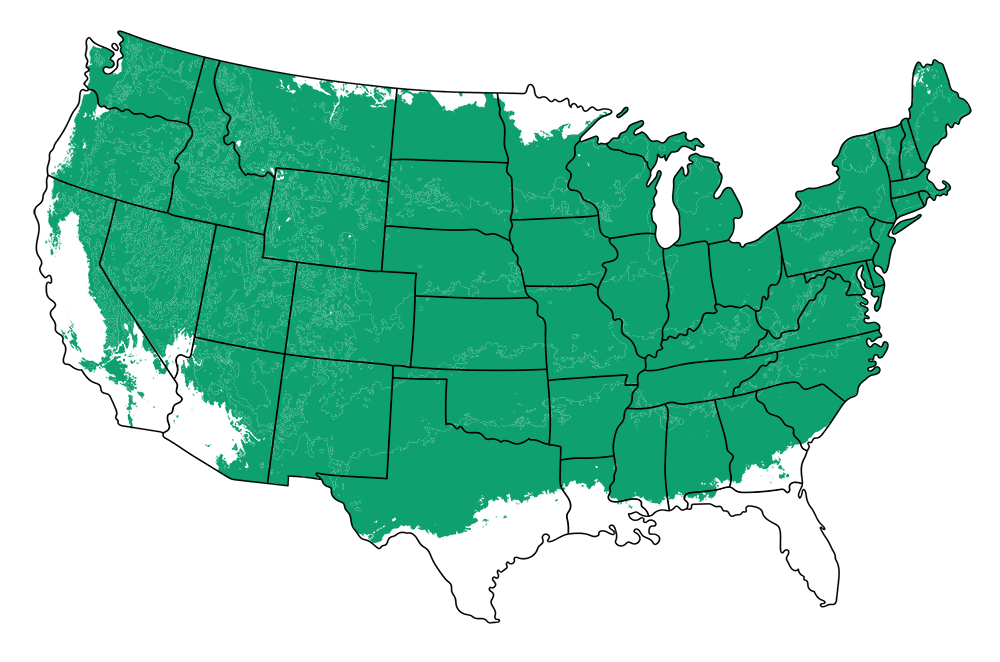
| Growing Zone (USDA) | 4-8 |
| Shape | Rounded |
Planting guide
The Indian Summer Crabapple is best planted in full sun with well-drained soil to ensure optimal growth and health.
How to plant Indian Summer Crabapple trees?
When planting, dig a hole twice as wide and as deep as the root ball to provide ample space for growth. Ensure that the top of the root ball is level with the surrounding soil, to prevent waterlogging. After placing the tree in the hole, backfill it with soil and water thoroughly to establish contact between roots and soil.
When to plant Indian Summer Crabapple trees?
The ideal time to plant Indian Summer Crabapple trees is in early spring or fall. Early spring planting takes advantage of cool, moist conditions for root establishment before summer heat. Fall planting allows roots to acclimate and continue to develop during the dormant winter months, leading to stronger growth come spring.
How far apart should you plant Indian Summer Crabapple trees?
When planting multiple Indian Summer Crabapple trees, space them about 15 to 20 feet apart. This distance allows for each tree's mature spread, promoting healthy air circulation and reducing the risk of disease. Adequate spacing ensures that each tree receives sufficient sunlight for optimal flowering and fruiting.
About
The Indian Summer Crabapple (Malus 'Indian Summer') is known for its vibrant seasonal color changes, disease resistance, and rounded shape, making it a popular ornamental choice.
How tall does an Indian Summer Crabapple tree grow?
At maturity, the Indian Summer Crabapple typically reaches a height of 15 to 20 feet. This medium-sized stature makes it a perfect choice for small yards or as an accent tree. It provides enough height to serve as an excellent focal point without overwhelming a space.
How long does an Indian Summer Crabapple tree live?
Indian Summer Crabapple trees can live for several decades with proper care. A lifespan of 30 to 50 years is typical, allowing you to enjoy its beauty for many seasons. Regular maintenance and favorable growing conditions will help optimize its longevity.
How fast do Indian Summer Crabapple trees grow?
Indian Summer Crabapple trees exhibit moderate growth, adding approximately 1 to 2 feet in height per year. During its initial years, the tree focuses on establishing a strong root system. As it matures, it develops a dense canopy adorned with beautiful flowers and fruit.
How to care for Indian Summer Crabapple trees?
Proper care of an Indian Summer Crabapple includes adequate watering, minimal pruning, and disease management. Ensure regular watering during the first few years to help establish a resilient root system. Selective pruning will enhance the tree’s natural shape and health. Plant in a sunny, well-ventilated area to minimize the risk of diseases such as apple scab and mildew.
When to prune Indian Summer Crabapple trees?
Prune Indian Summer Crabapple trees during the late winter or early spring, when the tree is still dormant. This timing minimizes stress and allows the tree to heal quickly as growth commences in spring. Removing dead or crossing branches during this period enhances the tree's structure and vitality.
How to prune Indian Summer Crabapple trees?
Start by removing any dead, diseased, or damaged branches to maintain the tree's health. Next, thin out crowded areas to improve air circulation and sunlight penetration, promoting optimal flowering. Maintain the tree's rounded shape by selectively trimming back overgrown branches, ensuring a balanced appearance.