Prairifire Crabapple
5 Pot 3-4 ft
Sale price
$182.10 USD
Regular price
$209.89 USD
Skip to product information

In stock
How long does a Prairifire Crabapple tree live?
Prairifire Crabapple
Sale price
$182.10 USD
Regular price
$209.89 USD
The Prairifire Crabapple is a mesmerizing ornamental tree renowned for its vibrant pink-magenta blooms in spring and its striking red and bronze foliage in fall. With glossy dark red fruit that lingers through winter and exceptional disease resistance, it's an ideal choice for gardens, parks, and streetscapes.
| Mature Height | 15-20 ft |
| Mature Spread | 15-20 ft |
| Sunlight | Full (6+ hours) |
| Growth Rate | Moderate to Fast |
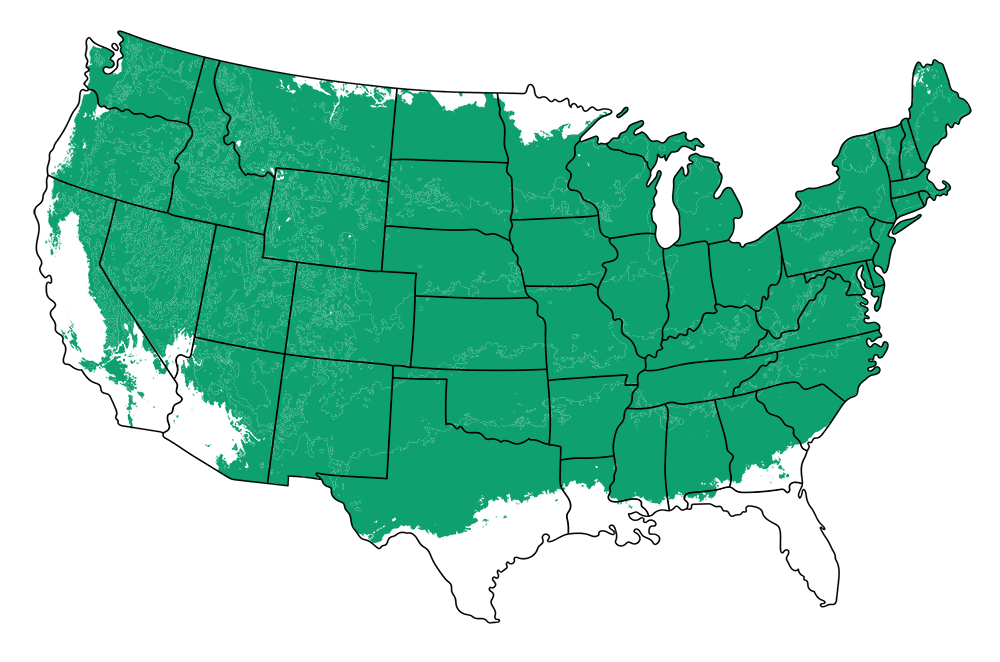
| Growing Zone (USDA) | 4-8 |
| Shape | Rounded |
Planting guide
The Prairifire Crabapple thrives in a sunny location with well-draining soil, providing a stunning display of color in any landscape.
How to plant Prairifire Crabapple trees?
Begin by selecting a site that offers full sun exposure to ensure the most vibrant blooms. Dig a hole as deep as the root ball and two to three times as wide, then position the tree ensuring that the top of the root ball is level with or slightly above the surrounding soil. Fill the hole halfway with soil, water well, and then fill the rest of the hole, ensuring the soil is well packed around the roots.
When to plant Prairifire Crabapple trees?
The optimal time for planting Prairifire Crabapple trees is during the early spring or fall when the temperatures are mild. These seasons allow the tree to become established with less stress from heat or cold. Planting during these periods ensures the tree has a robust start before the harsh extremes of summer or winter.
How far apart should you plant Prairifire Crabapple trees?
To ensure adequate growth and air circulation, space Prairifire Crabapple trees approximately 15 to 20 feet apart. This distance allows the trees room to develop their beautiful rounded canopies without competing for resources. Proper spacing also helps prevent the spread of diseases by maintaining good airflow between the trees.
About
The Prairifire Crabapple captivates with its four-season visual appeal and hardy nature.
How tall does a Prairifire Crabapple tree grow?
The Prairifire Crabapple typically reaches a mature height of about 15 to 20 feet. This makes it an excellent choice for adding a splash of color without overpowering smaller gardens or landscapes. Its moderate size also makes it suitable for various planting situations, from standalone specimens to lined pathways.
How long does a Prairifire Crabapple tree live?
With proper care, a Prairifire Crabapple tree can live for over 30 years, ensuring a long-term visual feast for your landscape. Its longevity is supported by its strong disease resistance, which minimizes the need for intensive care. The tree’s robust nature and adaptability contribute to its impressive lifespan in various environmental conditions.
How fast do Prairifire Crabapple trees grow?
Prairifire Crabapple trees grow at a moderate rate, typically gaining up to 1 to 2 feet per year. Initially, the growth focuses on root system establishment, especially in the first few years. As the tree matures, it'll gradually fill out its rounded canopy and produce increasingly spectacular flower displays and fruit.
How to care for Prairifire Crabapple trees?
Caring for Prairifire Crabapple trees is remarkably straightforward, thanks to their excellent disease resistance and drought tolerance. Regular watering during the first few years helps establish a strong root system; however, once mature, they can withstand dry spells with ease. Plant in a location with well-drained soil and ensure full sun exposure to maximize health and vibrancy. Occasional pruning and monitoring are sufficient to maintain their beautiful natural shape and structure.
When to prune Prairifire Crabapple trees?
Prune Prairifire Crabapple trees in late winter while they’re dormant to minimize stress and promote healthy new growth. Avoid pruning in spring or summer when the tree is actively growing as this can weaken it. Late winter pruning prepares the tree for a strong and aesthetically pleasing spring bloom.
How to prune Prairifire Crabapple trees?
Begin by removing any dead, damaged, or crossing branches from the tree, which helps improve air circulation and overall health. Focus on maintaining the tree's natural shape, making sure not to cut too close to the trunk to avoid bark damage. Use clean, sharp pruning tools to make the cuts, ensuring they're angled and smooth to prevent disease entry.